
What 2025 Created: From Surfacing to in Formation (From the Desk of the Director)
Celebrating work and community and coming together despite a strange and dark year!

This newsletter is too long for email, but you want to read it all! Go ahead and click the title of the newsletter to open it in your email browser. love, dr. jmj
A Year (and Two Months) in Review
In 2019, Tina Campt offered the following keywords while reflecting on the brilliance of Simone Leigh’s art, the genius of maroon strategist and enslaved ancestress Harriet Jacobs, and the radical miracle of Black femme insurgency:
vessel:
a container for holding something;
a person into whom some quality (such as grace) is infused.surface:
the outside part or uppermost layer of something
(often used when describing its texture, form, or extent);
to rise or come up to the surface of the water or the ground.touch:
the feeling generated by contact of an item
with the exterior of the skin;
to come so close to as to be or come into contact with it.formation:
an act of giving form or shape to something or of taking form;
an arrangement of a body or group of persons or things
in some prescribed manner or for a particular purposeinsurgency:
an active revolt or uprising;
insurrection against an existing government (usually one’s own)
by a group not recognized as having the status of a belligerent;
rebellion within a group, as by members against leaders.1
Since 2020, LifexCode has used these keywords as a guide and framework for the work ahead.
What a different world we live in now—and yet not.
We continue to fight for our breath, our bodies, our students, and our neighbors. Whether on screens or in person, in Signal chats or on paper, we continue to do the best work we can to bring safety, love, and knowledge to our worlds.
We have grown softer, quieter—including with this newsletter—and more reflective in this work, honing our skills at collaboration, collectivity, community, leadership, and analysis.
How do we fight the drive for data, the commodification of our attention, the pressure to give our choices, our critical thinking, our creativity, even our joy over to those in power? As Black, Caribbean, queer, trans, insurgent digital humanists, we have a superpower. We know how to do this. The best of us have been doing this.
Toni Morrison, after the 2004 election of George W. Bush, described feeling despondent. A friend called her, and when she tried to explain the paralytic feeling of helplessness, she describes her friend cutting her off and shouting: “No! No, no, no! This is precisely the time when artists go to work — not when everything is fine, but in times of dread. That’s our job!”2 This quote is often attribute to her directly, but it feels important, as director of an ecosystem, to note that it was her friend, “a fellow artist,” who called her back to herself. adrienne maree brown and Sonya Renee Taylor, two thinkers whose work has guided the LifexCode Guides this year, also described the importance of togetherness in this moment, of calling to check on each other, of calling out to each other to witness the pain of this moment and find joy. In the most recent episode of How to Survive the End of the World, Taylor explains:
“The only way through this is actually in relationship, right? And part of it again, when I think about like, what would love have me do? Love would have me do the opposite of what’s happening. And so what’s happening is secrecy and shame and disconnection of human relationship. Then moving toward love looks like saying out loud, like connection, like unapologetically being not that.”3
Getting into FORMATION against enclosure has never been more important.
formation:
an act of giving form or shape to something or of taking form;
an arrangement of a body or group of persons or things
in some prescribed manner or for a particular purpose
The Ecosystem @ Work in 2025
The Black Press Research Collective Gives Us the “Freedom to Create”
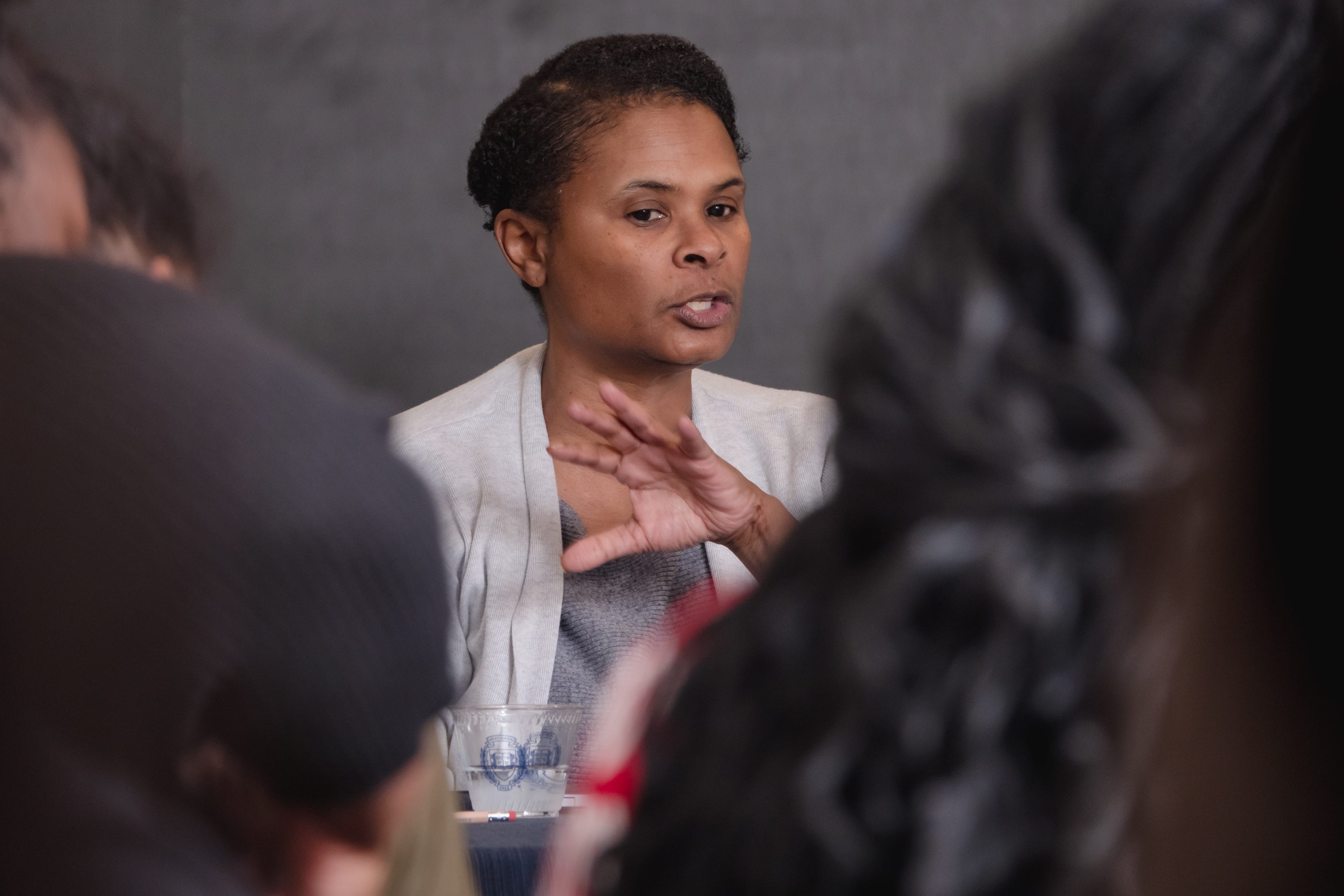
Led by Kim Gallon (Brown University) and Michael Guy (Postdoctoral Fellow, Johns Hopkins University). The Black Press Research Collective, brought by Gallon and the Black Beyond Data Ecosystem to the Center for Africana Studies and Sheridan Libraries at JHU built a new educational tool for exploring the Black press archives collected on its website.
The New Directions in Black Press Studies book series, stewarded by Gallon and with Johns Hopkins University Press continues to accept submissions—if you have a book on the Black Press, please consider submitting!
The Community Health Informatics Data Lab at Brown University pressed send on two publications, “Tech Trusted Us” and “Voices for Health Equity.”
“This booklet, Voices for Health Equity, is the result of a year-long effort to listen deeply to health leaders in Providence—public health officials, clinicians, community advocates, nonprofit directors, and researchers—who are working every day to address health disparities in our city. Through semi-structured interviews, we invited them to share their insights on the patterns they see in health outcomes, the root causes of inequities, and the systemic barriers such as housing insecurity, food access, systemic racism, and uneven healthcare access that shape the health and wellness of our neighbors. Each conversation was reviewed collaboratively to ensure accuracy, respect, and the authentic preservation of the speakers’ voices.”
Download the publications here.
The lab also partnered with AS220, a Providence, Rhode Island community arts organization, to host a year long Technocultural Futures workshop This workshop offered arts education and leadership programming for artists ages 18–25, in Providence, allowing youth to explore the intersections of art, AI, leadership, culture, and social change.


Lab member Breanna Villarreal also published an essay in the Brown Journal of Medical Humanities about ways to use technology to fight racial bias and health disparities in women of color with breast cancer.
The Diaspora Solidarities Lab Continued To Center Community, Art, and Connection
The seeded lab Remains // An Archive offered a balm, with Slavery in Motion at the Baltimore Museum of Art in January. A collaboration between RAA, the research of Jessica Newby (Doctoral Candidate, Johns Hopkins University) and four artists, this event offered a touchstone for how slavery scholars, artists, and institutions can heal from broken pasts. Read the recap below.
The seeded lab Taller Entre Aguas celebrated the publication of its first edited volume, Water Proof: Olas de Memoria with Centro: The Journal of the Center for Puerto Rican Studies. TEA (directed by Sarah Bruno, Michigan State University) also hosted a summer retreat and sponsored a teaching institute on Black Puerto Rican Studies in collaboration with PROPA. Get your copy of the issue below:
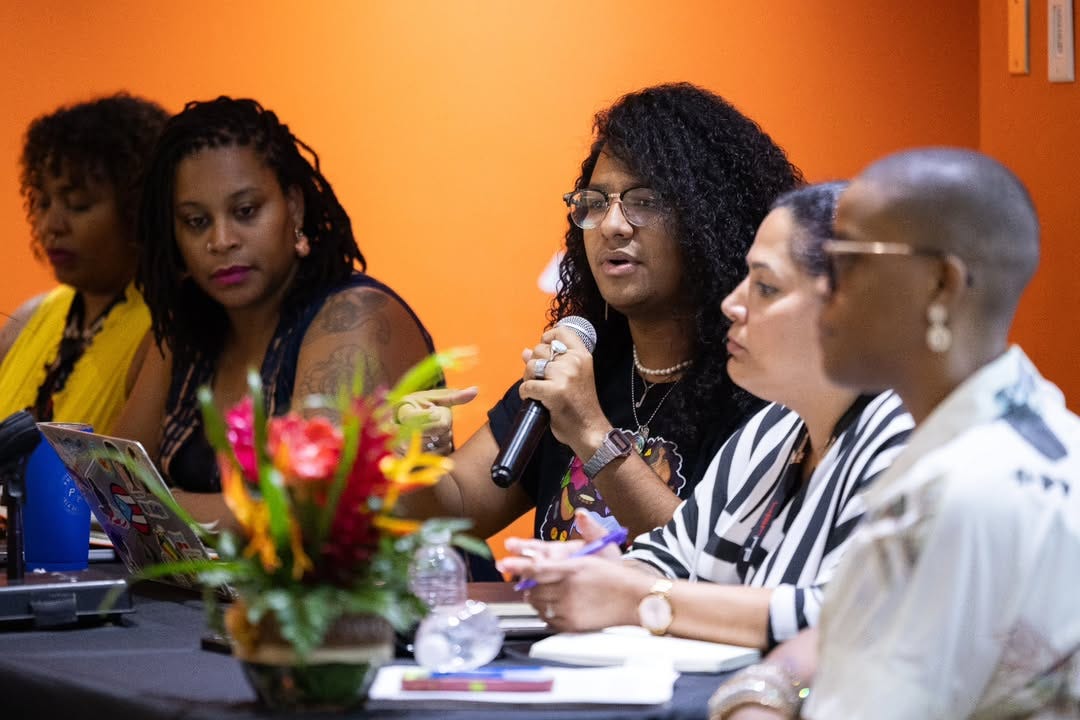
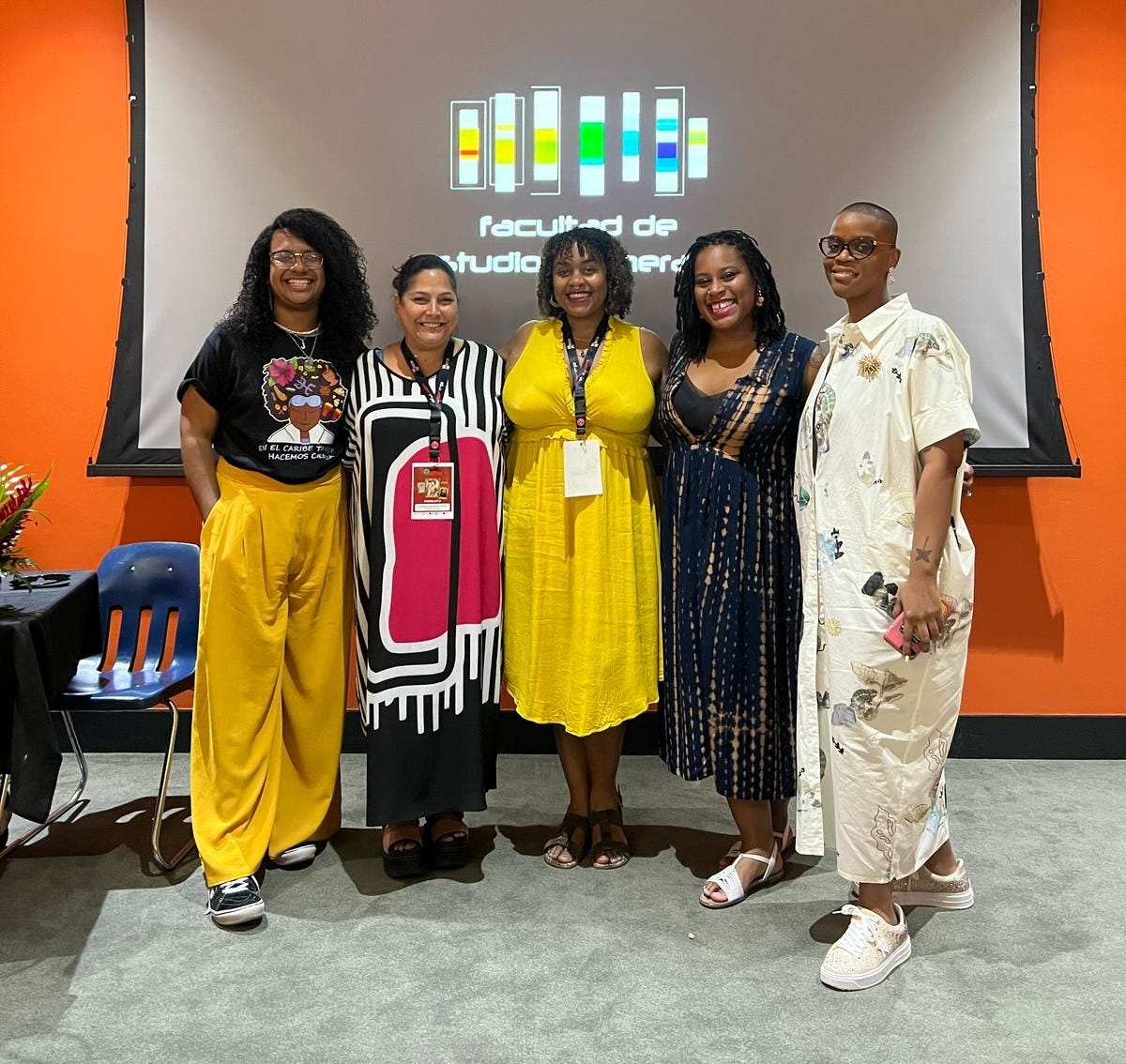
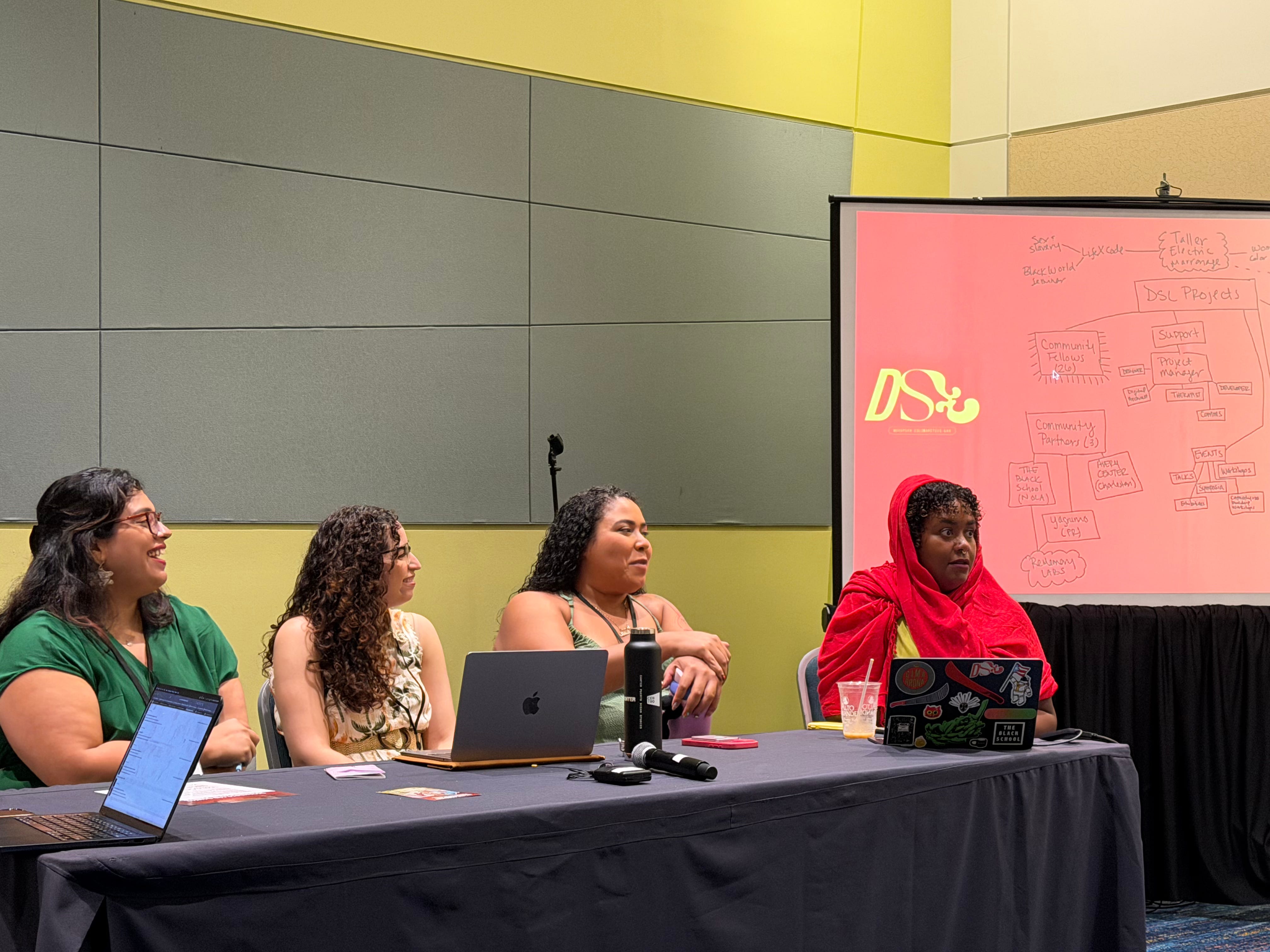
The Diaspora Solidarities Lab participated in the fourth annual Cumbre Internacional de Afrodescendencia. The Directoras (Yomaira Figueroa, Centro/CUNY and Jessica Marie Johnson, JHU) presented alongside now co-Director of the Puerto Rican Studies Hub and DSL Faculty Mentor Aurora Santiago-Ortiz (University of Wisconsin). Joined by Katsí Yarí Rodríguez Velázquez and Joniel Pacheco.
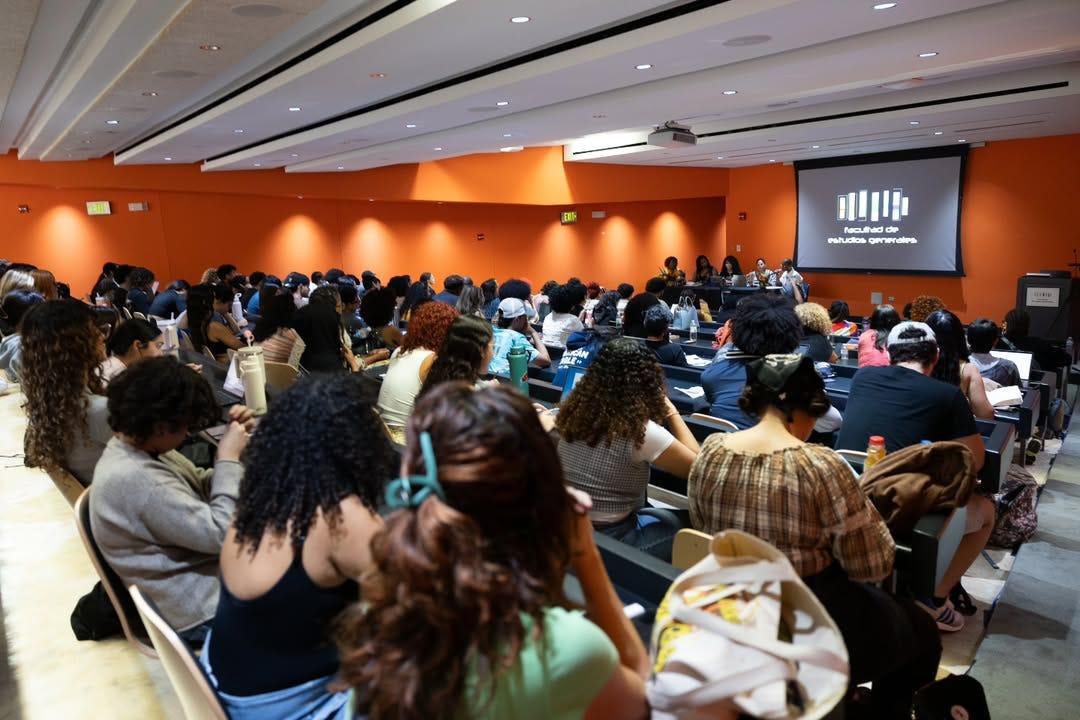
The gorgeous art exhibition, Diasporic Collage, a curation by the Diaspora Solidarities Lab, found its way to a new home—Centro!!! The Center for Puerto Rican Studies welcome the exhibition home with an exciting opening, a healing reboot after its first opening. Read more below.
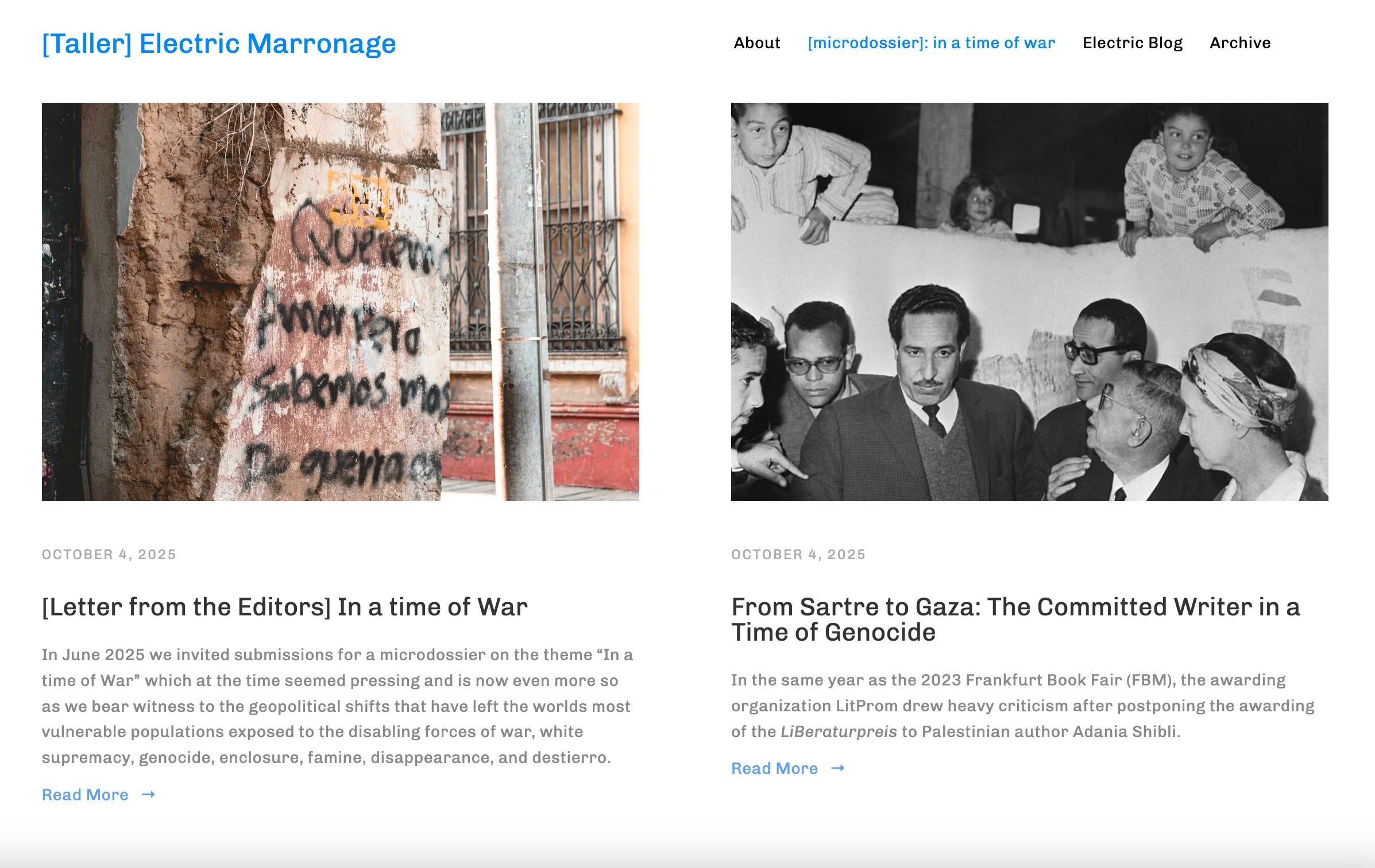
In the fugitive digital space, Taller Electric Marronage released its most recent dossier, a collection of writings and reflections on the theme: In a Time of War. Edited by Yomaira Figueroa and Nadejda Webb, the dossier also featured a launch and reading with the contributors. The dossier is available for reading here.
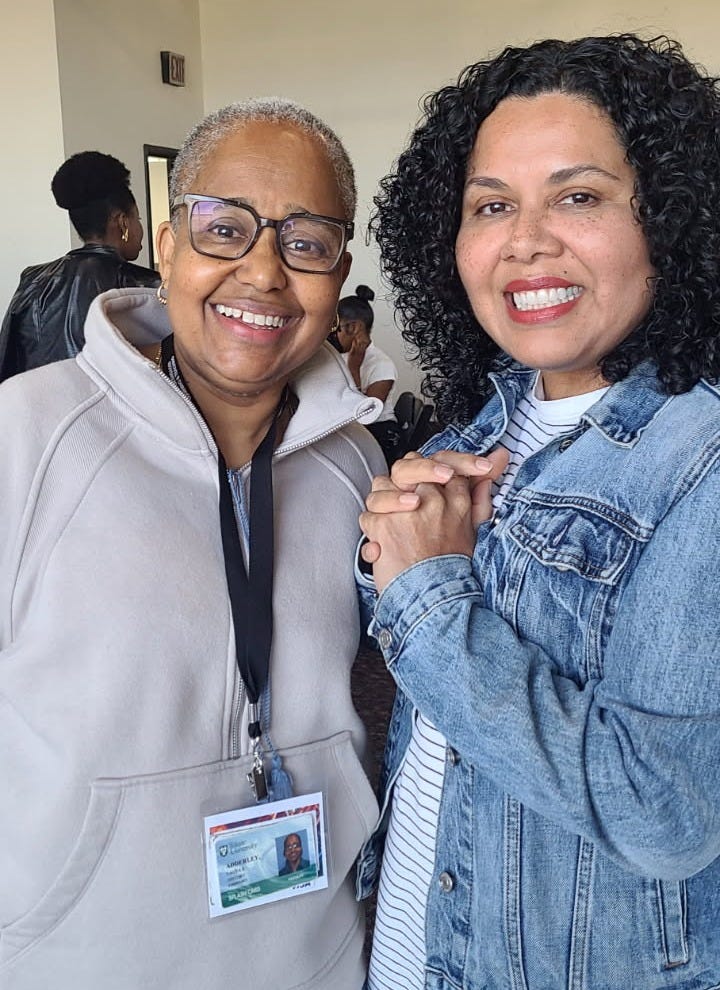
The Diaspora Solidarities Lab also hosted its annual writing retreat and Director’s Retreat bringing mentoring, networking and professional development to academics seeking guidance in managing large-scale research and institutional project.
Keywords for Black Louisiana (K4BL) Continues to Pave the Way (No, I’m not Biased!)
Keywords for Black Louisiana’s Public History Fellows (“Street Team”), a public history collaboration with Xavier University in Louisiana (XULA), participated in GenFest 2025 for the first time, at the New Orleans Public Library.
K4BL also hosted its first K4BL Incubator, an intensive one-day in-person at XULA where team members engaged in conversations and deep learning with invited Scholar Specialists.
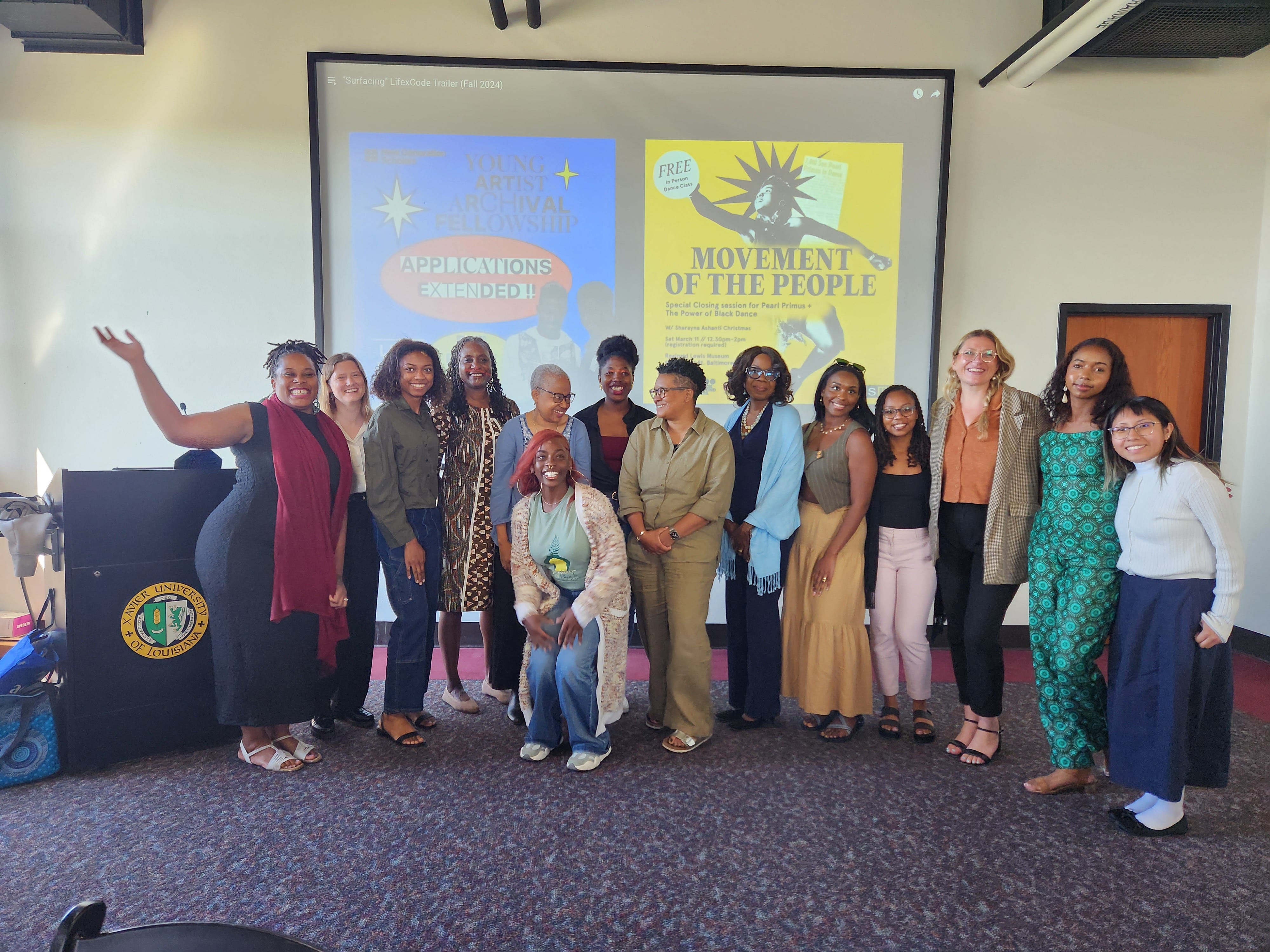
This was also the first public presentation from the Keywords for Black Louisiana Teaching Fellows, a collaboration with the Xavier University Honors Program. Gratitude to Dean Shearon Roberts who has been a massive collaborator and co-sponsor, and to XULA one of our beloved institutional partners.
K4BL also hosted its fourth annual Black History in Louisiana Summer Workshop, building on our partnership with Xavier University. Our excursion this year to Baton Rouge brought us in direct connection with documents at archives and repositories across the city. We finished with our workshop and gathering with our Community Circle and Advisory Board, charting out the next phase of K4BL, building new strategies for sustainability.
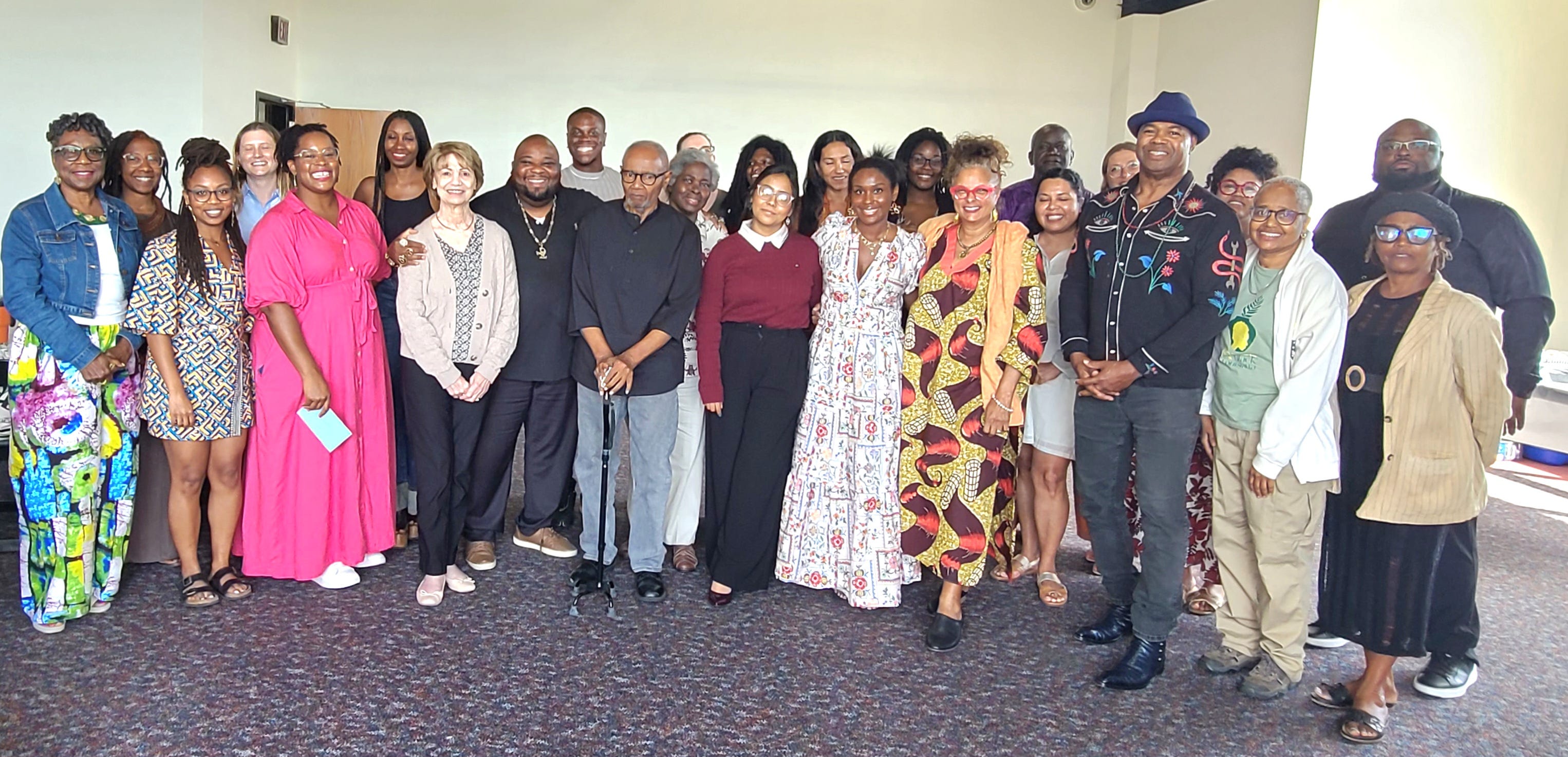
The K4BL Community Team spent last fall supporting these same KCCAB members at events around Louisiana. Some of those events included the naming of Queen Dianne Honoré as a Louisiana Folklife Tradition Bearer, Phebe Hayes in her book launch at Octavia Books, participation in the Charles Deslondes Branch of the Association for the Study of African American Life and History (current President, Malik Bartolomew, a KCCAB member), and presentations by Freddie Evans and Eva Baham at the 2025 ASALH in Atlanta, Georgia. Online celebrations of Denise Frazier, whose work with Jazz Generations New Orleans sparked joy all around the city and Kristina Kay Robinson, who released a short film in collaboration with Denisio Truitt and multiple publications including in the Katrina anniversary issue of Southern Cultures, also continued. Pick up Phebe Hayes , Were You There?: A Biography of Emma Wakefield-Paillet (University of Louisiana, 2025).
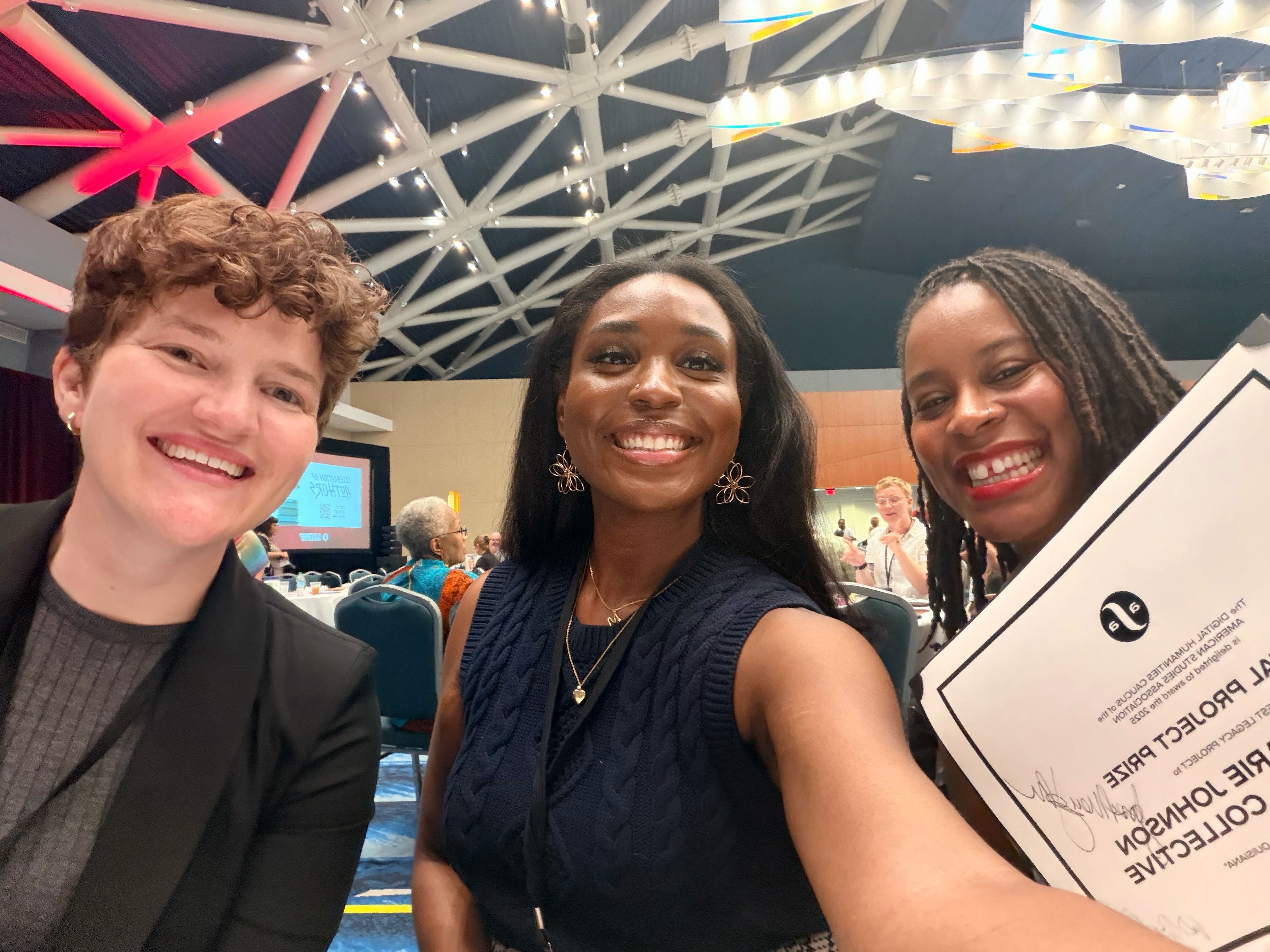
Last but not least, CONGRATULATIONS again to Keywords for Black Louisiana, awarded a Digital Projects Legacy Award from the American Studies Association’s Digital Humanities Caucus!!! Founding Digital Curation Fellow Ellie Palazzolo joined current Digital Curation Fellow Zaria El-Fil to accept the award.
Who Owns Black Data
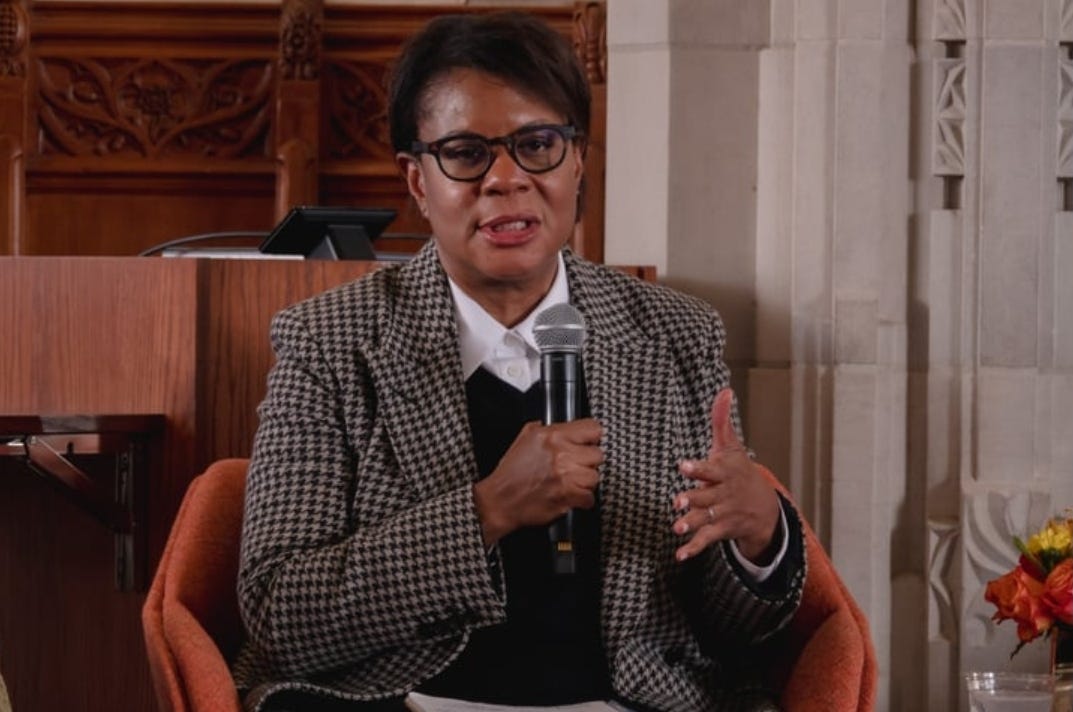
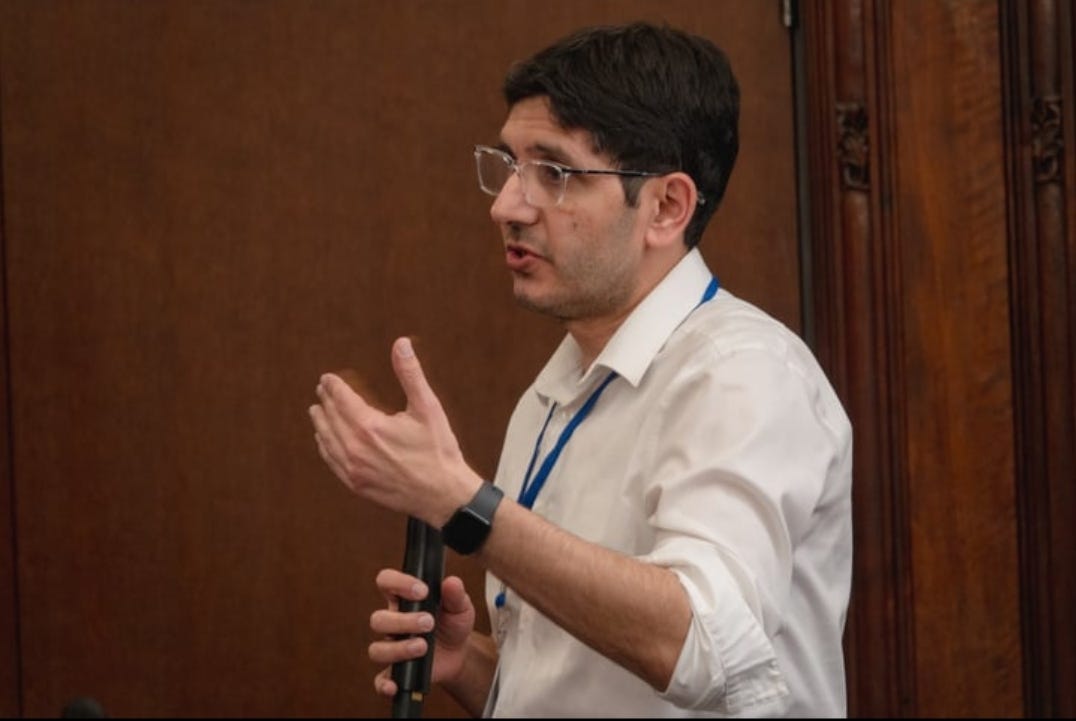
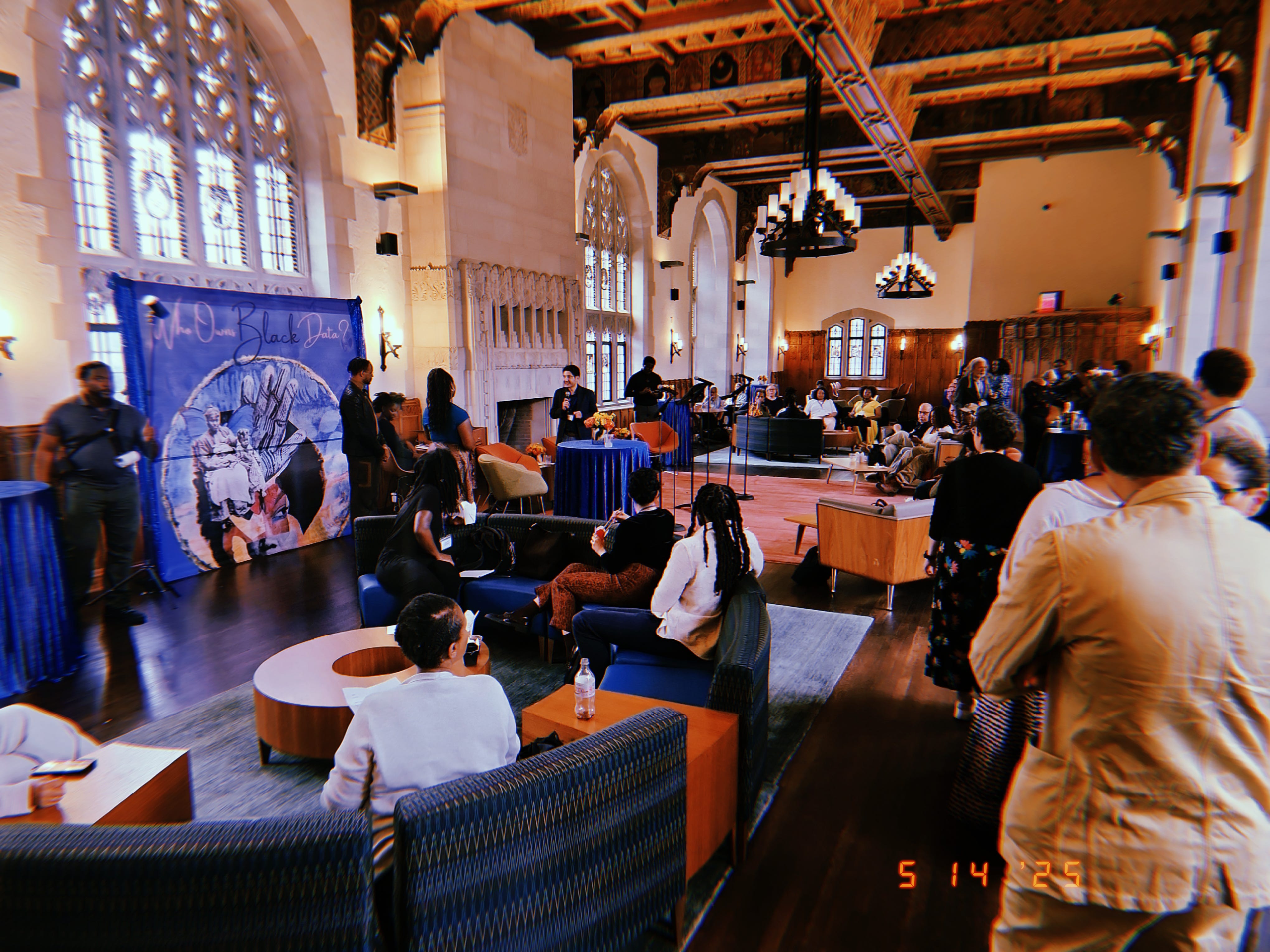
Not far from New York, the mad genius Dr. Alex Gil (Yale) and the organizers of Who Owns Black Data, a Black Beyond Data collaboration, hosted their second convening—Who Owns Black Data II: The Past in Danger. WOBD II featured a slate of invited guests from the Amistad Research Center in New Orleans, Louisiana to DigBlack: The Center for Black Digital Research at Penn State University to the Puerto Rican Organization for the Performing Arts (PROPA), and closed with a stellar keynote panel conversation with Tamara Lanier (Author and Activist), Marisa Parham (University of Maryland), Alondra Nelson (Institute for Advanced Study) and Yeshimabeit Milner (Data for Black Lives), moderated by Black Beyond Data’s own Kim Gallon (Brown University). The knowledge we need now—right now.
We Live Language Lab Unites Baltimore Through Art and Culture
Back in Baltimore, the We Live Language (directed by Nadejda Webb, JHU), a Black Beyond Data ecosystem lab, partnered with African Diaspora Alliance, JHU, Goucher College and Morgan State University to host a series of evenings of film and conversation around the work of Cuban filmmaker Gloria Rolando. The screenings featured speakers like Angela Carroll, Dr. Amaka Okechukwu, Dr. Guadalupe García, and Sharayna A. Christmas.
Underwriting Souls Research Memorializes the Slave Trade
Across the pond, Alexandre White (JHU), director of Underwriting Souls, made his way to London for the unveiling of a historic marker acknowledging Lloyds of London’s role in underwriting the trans-Atlantic slave trade. The work of Underwriting Souls (available here and hosted by Sheridan Libraries) played a key role in the research that supported activists in securing this memorial to lives lost over capital and commodities.
Learn more about the plaque below:
Hip Hop Rx Enters its Flow State
Working across institutions in Indiana, New Orleans, California and beyond, HipHop Rx, directed by Pyar Seth (University of Notre Dame), brought sound, mind, and body together. HipHop Rx hosted a creative retreat, Flow-States, and supported FocusRite in filming a short documentary about the experience.
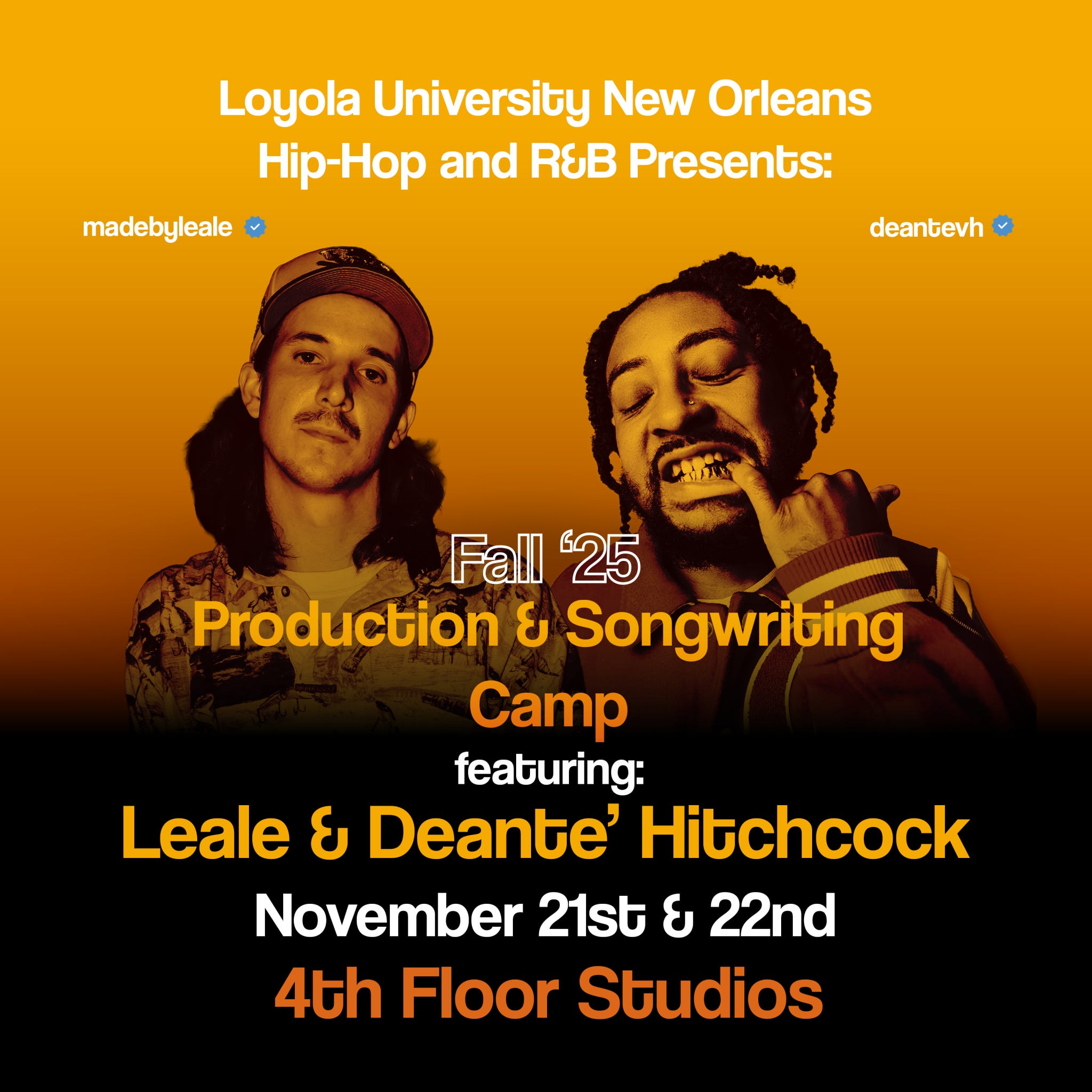
At Loyola University in New Orleans, Rayne Antoine of HipHop Rx hosted a music camp with Loyola students, bringing recording artists Deanté Hitchcock and LEALE into the studio with them.
The lab also continued to put pen to page, including a special issue on the Hip Hop South by Southern Cultures (Summer 2025) edited by lab member Corey J. Miles and featuring a piece by Pyar Seth. In 2025, Seth’s work also appeared in The Journal of Black Sexuality and Relationships and Transforming Anthropology. Catch up on the faculty spotlight on Seth below.
Last, but not least—What We Published in 2025
Ryan Cecil Jobson and Christen A. Smith, “Black Anthropology and Its Archives,” Transforming Anthropology 33, no. 2 (2025): 61–63, https://doi.org/10.1086/738166
Pyar J. Seth, “Black Screens, Real Dreams: Love, Hip-Hop, and the Streaming Economy of Difference,” Journal of Black Sexuality and Relationships 12, no. 1 (2025): 15–34.
Sarah Bruno, Essah Diaz, Daniel Morales-Armstrong, Jessica Marie Johnson, “Introduction: Entre Aguas/Between the Waters,” Centro Journal 37, no. 1 (2025).
Water Proof: Olas de Memoria, Centro Journal (2025) (Taller Entre Aguas special issue)
Hip Hop South, Southern Cultures, (2025) (HipHop Rx Member Corey Miles, editor, Pyar Seth, contributor)
The Community Health Informatics Data Lab, “Voices for Health Equity“, edited by Breanna Villareal and Clarissa Thorne, Brown University, (2025)
Breanna Villareal. “Black Women, Pink Ribbons: Representation and Care to Fight Racial Disparities in Breast Cancer.” The Brown Journal of Medical Humanities 3, no. 1 (Spring 2025): 26-27
Alex Gil’s Aimé Césaire and Brent Hayes Edwards, ............And the Dogs Were Silent/......Et Les Chiens Se Taisaient, trans. Alex Gil (Duke University Press, 2024) received Honorable Mention, 2025 Lois Roth Book Award, presented by the Modern Language Association
Zophia Edwards, “Colonial States and Passive Revolutions: The Case of Trinidad and Tobago,” Critical Sociology, December 25, 2025, 08969205251398534, https://doi.org/10.1177/08969205251398534.
Zophia Edwards, “W. E. B. Du Bois on the Logics of Settler Colonialism,” Sociological Forum 41, no. 1 (2026): 32–36, https://doi.org/10.1111/socf.70025.
Zophia Edwards, Fueling Development: How Black Radical Trade Unionism Transformed Trinidad and Tobago (Duke University Press, 2025).
Yomaira Figueroa and Nadejda Webb, “[Letter from the Editors] In a Time of War,” [Taller] Electric Marronage, October 4, 2025, https://www.electricmarronage.com/war/2025/10/2/letter-from-the-editors.
Yomaira C. Figueroa-Vásquez, “NUEVAYol: Afterimages for the Diaspora,” CentroPR, August 13, 2025, https://centropr.hunter.cuny.edu/publications/nuevayol-afterimages-for-the-diaspora/.
Daniel Morales-Armstrong, “Cimarrones, Rebels, and Plaintiffs: Strategies Enslaved Africans and Their Descendants Used to Resist Slavery in Puerto Rico (Sixteenth to Nineteenth Centuries),” Centro Journal 37, no. 1 (2025).
Kiana González-Cedeño et al., “Forging Afro-Diasporic Bonds: Black Feminist Worldmaking After the Storm in the Greater Caribbean (1965-2017),” Centro Journal 37, no. 1 (2025).
Yafrainy Familia, “Curating Transnational Feminist Solidarities in Born in Flames: Feminist Futures,” Meridians 24, no. 2 (2025): 357–78, https://doi.org/10.1215/15366936-11864081.
Lauren Klein, Meredith Martin, André Brock, Maria Antoniak, Melanie Walsh, Jessica Marie Johnson, Lauren Tilton, David Mimno, “Provocations from the Humanities for Generative AI Research,” arXiv:2502.19190, preprint, arXiv, February 26, 2025, https://doi.org/10.48550/arXiv.2502.19190.
A Living Ecosystem
These celebrations barely scratch the surface of what we tackled, created, and dreamed up in 2025. And, yes, this “round up” of the 2025 year of LifexCode work is two months late!
But we deserve to celebrate what we’ve grown—and that is a we. The LifexCode guides, all ten of us, hail from big state schools and elite private ones, Catholic institutions and med schools. Assistant Director Nadejda Webb told me once: “LifexCode is a living ecosystem.”
And it is. LifexCode is a living, multi-institutional, international, beautiful, breathing entity, its Guides ready to hit the ground running when needed, its Vision & Practice sessions fortifying its members against toxins, its community and institutional partners infusing it with nutrients, preparing it for the coming hurricanes.
The keyword FORMATION is the last one of Campt’s keywords for us to explore. It comes right on time.
We are in formation. We aren’t going anywhere. We are just getting started.
More soon,
Jessica Marie Johnson
ps. Subscribe to this newsletter to follow us here and keep up with realtime updates on IG @life_x_code
Tina Campt, “The Loophole of Retreat--An Invitation,” E-Flux 105 (2019), https://www.e-flux.com/journal/105/302556/the-loophole-of-retreat-an-invitation/.
Toni Morrison, No Place for Self-Pity, No Room for Fear, March 23, 2015, https://www.thenation.com/article/archive/no-place-self-pity-no-room-fear/.
“Moving Toward the Horizon of Love Together,” How to Survive the End of the World podcast, March 6, 2026.
Such amazing work!